Table of Contents
I. Introduction
II. Understanding Generator Noise
III. Methods for Soundproofing a Generator
A. Using a Portable Generator Sound Enclosure
B. Generator Sound Insulation
C. Noise Reduction Techniques
D. Soundproofing Accessories
IV. Choosing the Right Noise Barrier and Insulated Tarp
V. Conclusion
I. Introduction
In today’s fast-moving world, generators supply essential power in many situations — outdoor events, construction sites and emergency backup alike. Their biggest downside, however, is the noise they produce, which can be disruptive in residential neighborhoods and other noise-sensitive locations.
So how do you soundproof a generator? Reducing generator noise has become an increasingly important way to tackle noise pollution from power sources, making life calmer and more comfortable for you and everyone nearby. With the right soundproofing steps, you can noticeably cut the noise a generator produces.
One proven approach to soundproofing a generator is to use noise barriers and insulated tarps. These solutions do more than lower noise levels — they also add durability, weather resistance and thermal insulation.
II. Assessing Generator Noise
Generator noise comes from a mix of internal combustion engines and mechanical parts — especially the vibration of a running engine, which travels through the generator’s frame and becomes audible sound. Exhaust systems and cooling fans add considerably to the overall noise as well.
Too much generator noise creates a range of problems. Above all, it disturbs people nearby — particularly residents in built-up areas or anyone running equipment at night — which can strain neighborly relations and trigger complaints to local authorities. On top of that, long-term exposure to loud noise may harm health, raising stress levels, disrupting sleep and even damaging hearing.
To tackle these issues, it pays to look at the different ways of soundproofing a generator. Doing so lets you cut noise pollution, create a more pleasant environment and stay on the right side of noise regulations.
III. Methods for Soundproofing a Generator
A. Using a Portable Generator Sound Enclosure
For generator soundproofing, a portable generator sound enclosure is a highly effective option. The enclosure works as a barrier that contains and reduces the noise the generator makes, and it is usually built from sound-absorbing materials such as acoustic foam or mass-loaded vinyl that soak up sound waves.
Sound enclosures for a portable generator deliver two main benefits. First, they form a physical barrier that keeps noise from escaping, lowering overall sound levels. Second, they shield the generator from rain, dust and debris, which extends its service life and helps it perform at its best.
Fitting a sound enclosure is usually straightforward. Start by choosing one made for your generator model, or an adjustable design that suits a range of sizes. Then follow the manufacturer’s assembly instructions so the fit is secure and correct. If you place it outdoors, make sure it is well ventilated to prevent overheating and allow proper airflow.
B. Generator Sound Insulation
Sound insulation materials are another effective way to soundproof a generator. They absorb and dampen the sound waves it emits, bringing noise levels down significantly.
To quiet your generator, begin by picking suitable sound-deadening material, such as soundproofing mats or blankets with strong sound-absorbing properties. Then measure and cut the insulation carefully so it fits every surface — the sides, top and bottom of the generator — snugly enough that adhesive or fasteners cannot work their way underneath.
Installing sound insulation correctly can make a clear difference to generator noise levels. Follow any manufacturer guidelines, and seek professional help if you need it.
C. Noise Reducing Techniques
Beyond soundproofing products made specifically for generator sound insulation, some general techniques can also help lower generator noise. These strategies can complement sound enclosures and insulation materials for even greater noise suppression.
One effective noise-reduction technique is to set the generator on sound-absorbing pads or rubber mounts. These isolate it from ground vibrations and reduce noise transmission, while also keeping it stable on a level surface — which further helps cut noise.
Maintenance matters for noise reduction too. A well-maintained generator generally runs more quietly and efficiently. Clean or replace air filters regularly, check for loose parts and keep it properly lubricated — that care also helps ensure an uninterrupted power supply.
D. Soundproofing Accessories
Alongside soundproofing methods that help quiet a generator and minimize its noise, a range of accessories is designed to reduce it further. One example is noise-cancelling sound generators, which emit sound waves that help cancel out or neutralize generator noise for a quieter overall atmosphere.
A noise-cancelling sound generator produces out-of-phase sound waves that cancel out generator noise, so the two effectively neutralize each other and noise levels drop. These portable devices can often be positioned strategically for the best noise-reduction results.
Before buying soundproofing accessories, check that they are compatible with your particular generator model and that they are proven to reduce noise levels.
IV. Selecting an Appropriate Noise Barrier and Insulated Tarp
Choosing a suitable noise barrier is key to soundproofing a generator successfully. These barriers are designed to absorb, reflect or block the noise waves a generator emits, lowering noise levels and stopping sound from spreading further into the surrounding area.
When choosing a noise barrier, weigh its sound-absorbing properties, durability and ease of installation. Outdoor-grade barriers usually come with weatherproof coatings to handle a range of conditions; also consider size and shape so the barrier covers your generator effectively and limits noise leakage.
Insulated tarps are invaluable for generator sound dampening, since their insulation layers absorb and dampen the sound waves produced. These portable solutions are also easy to install and reposition whenever needed.
When picking an insulated tarp for generator sound reduction, consider the thickness and density of its insulation — thicker, denser materials generally deliver better noise-blocking performance. Look too for models made from durable, weather-resistant materials for long-term outdoor use.
Size and coverage area are other factors to weigh when selecting an insulated tarp. Make sure it can cover your generator adequately for effective soundproofing. Look for features such as grommets or fasteners that allow secure attachment and keep the tarp from flapping loose in windy conditions.
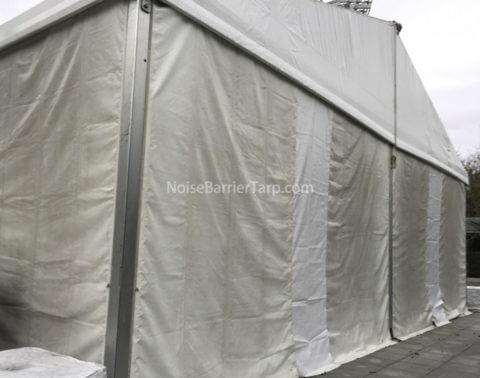
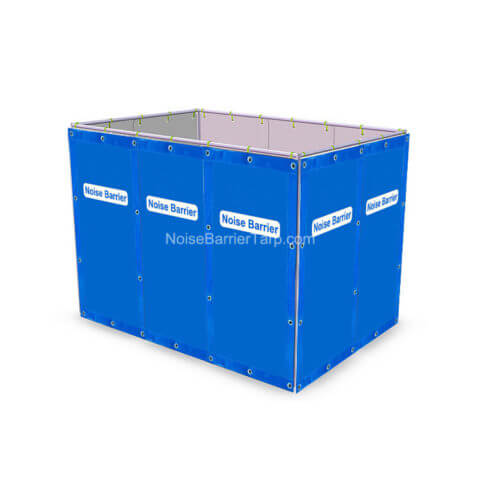
Temporary Fence Noise Barrier
for Construction Noise Temporary Barrier Fence Tarps | Temporary Fencing Tarps Manufacturer Temporary Barriers Attached to Metal Fences
V. Conclusion
How do you reduce the sound of a generator? Soundproofing is essential for a quieter environment and lower noise levels. By using techniques such as portable generator sound enclosures, insulation, noise-reduction methods and soundproofing accessories, you can effectively minimize the noise it produces.
When you take soundproofing measures such as a soundproof box for generator, choose an insulated tarp and noise barrier that match your specific needs. Weigh factors like sound-absorbing properties, durability and ease of installation to ensure effective noise reduction.
By taking steps to soundproof your generator with a sound wall for generator, you improve your own comfort and show consideration for those around you. Noise reduction is key to a harmonious atmosphere — whether in residential areas, commercial settings or outdoor events.
Soundproofing a generator is about more than just noise reduction: it can also help reduce noise from road traffic and create a peaceful, enjoyable atmosphere for everyone involved.


