I. Introduction
City living brings plenty of benefits, but it also comes with its own set of problems. Traffic noise is one of the most common: honking, revving engines and screeching tires can quickly wear down your peace of mind and make it hard to concentrate, unwind or get a good night's sleep. The good news is that practical solutions exist to tame the racket and restore a calmer home.
One proven answer to everyday noise pollution is noise barriers and insulated tarps. These products are built for blocking outside noise, forming a shield against traffic and other outdoor disturbances. Getting to know what they offer is an important first step toward reducing the harm that constant noise can do.
II. Understanding Noise Barriers
How do you block outdoor noise? Outdoor noise barriers are purpose-built structures that stand as a physical wall between a noise source and the space you want to protect. Made from materials with strong soundproofing qualities, they absorb, reflect and scatter sound waves so that a weaker, quieter version reaches your ears.
The biggest advantage of noise barriers is that they cut down outdoor noise pollution. Placed thoughtfully around your property, they help build a quieter, more restful setting. Whether your home sits near a busy road, a construction site or an airport, a barrier can noticeably soften the impact and give you back some calm.
Quilted noise barrier curtains do more than lower sound levels. Because they also screen out outside views, they create a more enclosed and private space. On top of that, noise barriers are available in a range of designs and materials, so it is easy to match different architectural styles.
Investing in a curtain-style noise barrier against street noise can bring back your peace of mind and make your home or workplace far more pleasant. The next section takes a closer look at how these barriers actually work and how they help create a quieter atmosphere.
III. Selecting an Appropriate Noise Barrier
How do you block traffic noise in a bedroom? There is no magic noise-blocking machine, but there is the noise barrier. Choosing the right one means weighing several factors so you get the best possible reduction. Here are the points to consider when matching a barrier to your own situation.
Material
The material you choose has a major effect on how well a noise barrier performs. Common options include concrete, metal, wood and composites such as polystyrene foam panels, as well as sound-absorbing fabric panels like noise tarps. Tarps made from tough fabrics can be light and easy to move, which helps for both sound absorption and soundproofing.
Design
Indoor noise barriers come in many forms, from solid and transparent panels to living options such as hedges and green walls that reduce noise naturally and look good doing it. Your choice depends on both your taste and how much reduction you need: solid panels deliver the most blocking, while transparent panels keep the view and still cut sound levels. Vegetative barriers round things out with a natural, attractive approach.
Installation Options
When you reach the installation stage, think about the noise barrier installation choices open to you. Some products are made for permanent fitting, while others can be shifted or adjusted whenever needed. Depending on your needs and preferences, you might buy an installation-ready barrier that fixes straight onto existing fences or walls, or go for a freestanding option you can position wherever it blocks noise best.
Assessing Noise Sources and Environment
Before you decide, it is essential to map out every noise source around your property. Pinpoint the main offenders and note the direction the sound comes from, since this tells you where an outdoor noise barrier will do the most good. Keep height and length in mind too, so the barrier actually stops noise from reaching the places you want protected.
Weighing these factors carefully lets you pick a barrier that meets your blocking traffic noise needs and genuinely lowers outdoor noise pollution. Once you have chosen, make sure it is installed correctly so it performs at its best.
IV. Installing Noise Barriers
How do you reduce noise from outside traffic? Fitting a noise barrier can look intimidating at first, but with the right preparation it becomes a straightforward job. Follow these step-by-step instructions to get it done:
- Evaluate Placement: Work out where a soundproof outdoor screen will block outside noise most effectively, then place it there. Take note of where the noise comes from and position barriers accordingly.
- Prep the Site: Clear the area where the barriers will go, removing any obstacles or debris that could get in the way of the installation.
- Measure and Mark: Measure the height and length of the barriers, then mark their intended positions on the ground or on existing structures as guides. Doing this up front saves time later.
- Securing Noise Barriers: Once you have your barriers, follow the manufacturer's guidance on fixing them in place. That may mean attaching them to existing structures with brackets or fasteners, or setting up freestanding units.
- Seal Gaps: Check the installed barriers closely for gaps or openings that could let sound through, and close them with suitable materials such as weatherproofing strips or sealant so the fit stays tight and secure.
- Regular Maintenance: To keep blocking noise at its best, inspect your barriers regularly for wear or damage. Deal with any problems promptly so their performance does not slip.
Following these installation and maintenance steps helps you get the most street-noise blocking from your chosen barriers. The next section covers extra strategies that work alongside them to keep outside noise at bay.
V. Strategies to Reduce Noise from Outside Traffic
How do you block street noise? Noise barriers do a good job of lowering outside sound levels, but other ways to reduce road noise in the house can push the results further and help build a peaceful setting. Here are some strategies that add another layer of protection against noise intrusion.
- Soundproof Outdoor Screens: An airport noise barrier is not the only tool available for noise reduction; soundproof outdoor screens add another layer of defense. Built to absorb and block sound waves, they give extra protection when placed thoughtfully around your property as a buffer between you and the noise. They come in a range of materials and designs, so you can pick one that suits your property's look.
- Privacy Screens: A soundproof outdoor privacy screen offers more than seclusion. Because it is made from sound-absorbing materials such as dense fabric or acoustic panels, it also helps cut outside noise. Positioned well, privacy screens form both a visual and an acoustic barrier that softens the impact of outdoor sound.
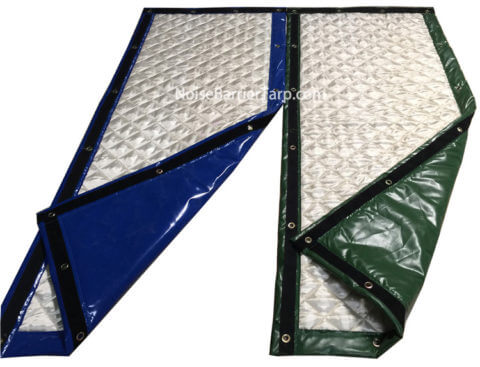
- Noise Tarpaulins: Noise tarps are an effective and budget-friendly way to block outside noise. Made from materials with strong sound-absorbing properties, they can be fixed or hung on fences, walls or other structures for temporary relief, which makes them ideal for construction sites, outdoor events or any place where short-term sound reduction is needed.
Bringing together noise barriers, soundproof outdoor screens and noise tarpaulins is an effective way to cut outside noise and create a calmer, more tranquil place to live.

VI. Establishing an Acoustic Environment Indoors
How effective is a noise barrier? Outdoor barriers and strategies can do a lot to block external noise, but indoor soundproofing also has a role to play in creating a restful space, especially in bedrooms where quiet matters most for winding down and sleeping. Here are some ways to keep traffic noise from creeping indoors:
Seal Windows and Doors
Start by checking windows and doors for gaps or cracks that let sound slip through. Then use weatherstripping or caulk to close those spaces and create a tighter seal.
Install Thick Curtains or Window Treatments
Hang thick curtains or window treatments with sound-absorbing qualities to help keep outside noise pollution out and make the indoors feel calmer.
Soundproof Walls
If traffic noise is a problem, think about soundproofing your walls with extra layers of drywall, sound-absorbing panels or sound-dampening paint. Each of these can help reduce traffic noise pollution.
Use Sound-Blocking Machines
Sound-blocking devices such as white noise machines or sound conditioners mask outside noise by playing soothing sounds that cover disturbances and make a room feel calmer. Place them wherever they create the most comfortable setting, whether that is the bedroom or another space.
Research Other Soundproofing Methods
Look into other soundproofing techniques too, such as soundproofing foam on walls or ceilings, rugs and carpets that soak up sound, or soundproof wallpaper.
Putting these strategies to work helps you build a soundproofed indoor environment, keeping traffic noise out and creating a calmer setting that is better suited to relaxing and sleeping well.
Traffic Noise – The solution
Traffic Noise Barrier Drown Out How To Reduce Traffic Noise In Garden
VII. Conclusion
Cutting down noise from outside traffic is key to a peaceful, serene home. Using effective measures such as noise barriers or insulated tarps can greatly reduce the negative impact that constant sound has on daily life. Here is a quick recap of the main points from this guide:
How do you reduce traffic noise in your backyard? Noise barriers are purpose-built structures that stand between a noise source and the area you want to protect. By absorbing, reflecting and scattering sound waves, they lower how much noise reaches your ears and how loud it is.
When picking the right noise barrier for your setting, weigh the key factors: material, design and installation options. Together they show which solution best fits your needs and does the most to reduce outside noise pollution.
How you install a noise barrier tarp matters a great deal if you want maximum blocking power. Take care when placing, preparing, measuring and marking, then install and seal the tarp as securely as you can, and keep up regular maintenance to preserve its performance.
Pairing noise control barriers with other strategies blocks even more outside noise. Soundproof outdoor screens and privacy screens add extra layers of protection, while noise tarpaulins provide a temporary reduction option.
Creating a soundproofed space indoors is just as important. That can range from sealing windows and doors to hanging thick curtains, soundproofing walls, using sound-blocking machines and trying other soundproofing techniques to keep traffic noise out of the room.
To sum up, taking noise-reduction steps and acting early can noticeably improve your quality of life by creating a calmer, more peaceful home. Do not let outside traffic noise get in the way of your daily activities and well-being. Start now to quiet the outside noise and enjoy the peace and quiet you deserve.
A quieter environment is within reach, so start today on the steps that reduce noise pollution and bring back your peace of mind.
Thanks for reading. We hope this guide has given you useful insight and practical direction for reducing noise from outside traffic.
Wholesale Outdoor Noise Barrier
Factory Outdoor Noise Barriers Residential Noise Reduction | How to Reduce Outdoor Noise With Outdoor Noise Barriers Outdoor Noise Cancelling
Temporary Noise Barrier Walls
Temporary Barrier Solution Temporary Wall Barriers | Temporary Sound Screens for Construction Site Temporary Noise Barrier Wall


