I. Introduction
Living beside a busy road can be a real challenge because of the constant noise pollution. Fast-moving vehicles and blaring horns disrupt the peace and quiet, making daily life near the road feel like an ordeal. That is why it helps to look for practical solutions that can lower road noise and restore a calmer living environment.
II. Understanding Road Noise
To deal with road noise effectively, it helps to know what causes it. Vehicle traffic is a major source: cars, trucks and motorcycles generate sound that reaches nearby homes and businesses. The condition of the road surface also matters, since rough or worn-out pavement tends to make the noise from passing vehicles louder.
Long-term exposure to road noise can harm both physical and mental health. Research shows that ongoing exposure may raise stress levels, disrupt sleep and even worsen cardiovascular problems, while also reducing concentration and making communication harder, which affects overall quality of life.
Cutting road noise helps not only the people who live beside busy roads but the wider community too. Taking effective noise-reduction steps can create a calmer, more harmonious place to live for everyone.
The sections below look at different ways to eliminate road noise and strategies that can reduce it, offering welcome relief from the constant din. Knowing these options helps people make better-informed choices when creating quieter living spaces.
III. Road Noise Barrier Solutions
A. Noise Barrier Types
How can you reduce noise from the road? Noise barriers are structures built specifically to stop road noise from traveling. Working like physical shields, they intercept and absorb the sound made by passing vehicles, greatly reducing its impact on nearby homes and businesses.
There are several ways to reduce road noise, including:
- Roadside noise barriers: Road noise barriers are commonly used along highways and busy roads to cut noise pollution. Made from materials such as concrete, metal or composite panels, they are positioned strategically between the roadway and nearby properties to block and weaken sound waves.
- Landscaping to block road noise: How do you drown out road noise? Landscaping can play a key role in reducing it. By planting carefully chosen trees, shrubs and bushes, you can create an effective natural barrier that absorbs and deflects sound waves; dense vegetation works as a buffer zone that helps limit the noise reaching nearby areas.
- Fences and walls: Adding fences or walls provides another layer of noise reduction. Solid barriers made of wood, brick or vinyl can block sound waves and create a quieter setting, which is ideal for properties near heavily trafficked roads.
- Trees and vegetation to reduce road noise: How do you block out road noise? Beyond general landscaping, individual trees can help control road noise. Planting tall, dense trees along the roadside creates a natural sound barrier that absorbs and deflects sound waves, and deciduous leaves provide noise reduction throughout the year.
B. Choosing the Right Noise Barrier
How do you block out noise from a busy road? The best approach is to use noise barriers. When choosing one, keep these considerations in mind:
- Location and space availability: Before installing roadway noise barriers in any area, assess the available space and note any restrictions or potential challenges.
- Aesthetic considerations: Think about the visual impact your noise barrier will have on the surrounding area and make sure it complements the overall look.
- Noise reduction effectiveness: Compare barrier options by their noise-reducing performance and choose the one that best suits the local noise levels.
- Maintenance requirements: To keep your chosen noise barrier durable and effective over time, consider its long-term maintenance needs.
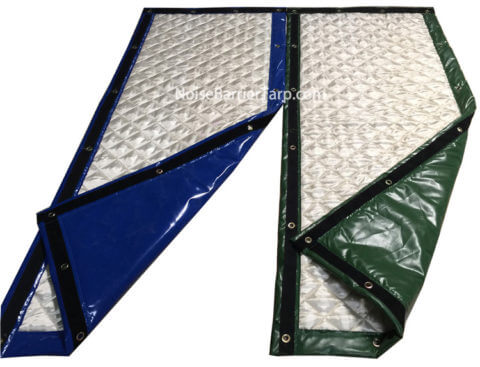
Traffic Noise – The solution
Traffic Noise Barrier Drown Out How To Reduce Traffic Noise In Garden
C. Implementing Noise Barrier Solutions
Installing roadside noise barriers usually involves these steps:
- Site assessment: Review the area to identify suitable locations for installing noise barriers.
- Design and material selection: Choose the ideal noise barrier design and material based on your specific requirements and constraints.
- Permits and approvals: To ensure compliance with local regulations, before installing noise barriers it is essential that any necessary permits or approvals are obtained and granted in advance.
Tips for effective installation and placement:
- Proper height and width: To maximize noise reduction, make sure your noise barrier has the right height and width to block sound waves effectively. Plan for angles and distance from the road to achieve the best noise suppression.
- Sealing and gaps: Pay close attention to sealing any openings in the noise barrier to limit sound leakage.
- Positioning and orientation: Position your noise barrier to maximize its effectiveness by considering factors such as wind direction and the location of the noise source during installation.
Even when a noise barrier installation seems simple, it is wise to seek professional help for complex projects or strict regulations. Experts can advise on design and installation techniques while ensuring compliance with local guidelines.
By carefully selecting and installing the right road noise barrier solution, people can significantly cut road noise and create a more peaceful living environment. We will also look at additional strategies for further reducing noise from busy roads.
IV. Additional Strategies to Minimize Road Noise
Road Surface Improvements
How can you lessen road noise? One effective road noise reduction strategy is improving the road surface. The condition of the pavement directly affects how much noise is generated; smooth, well-maintained roads tend to produce less sound pollution than rough or degraded surfaces. Repaving or resurfacing with noise-reducing materials can therefore significantly lower the noise levels nearby communities experience.
Using specialty asphalt mixes or adding noise-reducing additives lets road surfaces absorb and dissipate sound waves more effectively, leading to quieter surroundings while also improving the durability and lifespan of the roads.
Noise Control Measures during Roadworks
Temporary noise control measures can be used during construction or roadworks to limit the impact on nearby residents and businesses. These techniques aim to reduce noise from heavy machinery, equipment and construction activity, including noise from heavy traffic. Common roadworks noise reduction solutions include:
- Installing noise barrier enclosures around construction sites to contain and reduce the spread of noise.
- Following noise regulations and standards strictly.
- Scheduling noisy work for times when residential activity is lower, such as avoiding nighttime work in residential areas.
- Using quieter equipment and machinery whenever possible.
- Keeping affected communities informed about roadworks progress and timelines.
Noise-Reducing Tarpaulins
How do you eliminate road noise? Will a fence reduce road noise? Noise-reducing tarpaulins offer another effective way to control noise. These special tarps are designed to absorb and block sound waves, giving a practical and flexible method of road noise mitigation. Install them along fences, barriers or temporary structures for extra noise insulation.
Noise tarpaulins bring many benefits for temporary noise reduction, including portability and easy setup. Because they are adjustable, they can be moved to match the source of the noise pollution, making them especially useful on construction sites, at events or in any area that needs temporary noise control.
Reduce Road Noise – Installation
Reduce Road Noise With Barrier Tarps How To Reduce Road Noise
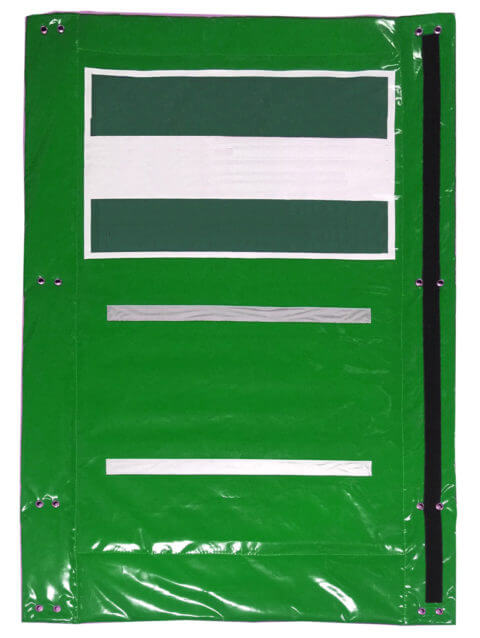
Noise Barrier Fence 1200 x 2400 mm
Noise Barrier Fence Panels For Construction Road Noise Cancelling Fence
V. Conclusion
Road noise can seriously disrupt daily life, causing stress and disturbing the peace. By adopting effective noise reduction strategies, however, we can create a more idyllic living environment.
In this article we have explored many solutions for reducing road noise, including noise barriers from a China road noise barrier factory, landscaping techniques and road surface improvements. We have also covered noise control during roadworks and the potential benefits of noise-reducing tarpaulins.
Individuals and communities alike can work to reduce road noise in their area. By applying specific strategies, we can create a quieter environment that supports well-being and improves quality of life. Take action now to reduce road noise with an insulated PVC tarp for a more peaceful living space.


