I. Introduction
Living beside a busy road can be a real challenge, particularly when constant traffic noise finds its way into your home. Passing vehicles often break the peace and quiet, and that disruption can wear on your wellbeing over time. This guide walks through practical strategies for how to reduce road noise in house so you can enjoy a calmer, more restful living space.

II. Evaluation of Noise Levels
Before you start applying techniques to reduce road noise in house, it helps to first understand the decibel levels involved and work out which parts of your home are hit hardest.
Road noise levels vary with how close you are to the road, how much traffic passes by, and how fast vehicles travel. Sound is measured in decibels (dB), and higher numbers mean louder noise.
Typical road noise runs from around 70 decibels on moderately busy roads and highways to more than 90 decibels, and it can be a major source of indoor disturbance. Knowing the decibel levels lets you judge how well the noise reduction measures you put in place are working.
Locating areas most impacted by road noise
No two houses are alike, and road noise can affect each room differently. It is important to pinpoint the areas most troubled by noise pollution, usually bedrooms, living rooms and home offices, where quiet and focus matter most.
Take some time to listen carefully in every room and note where road noise comes through most clearly. That assessment will help you choose the right soundproofing approach for each space.
This section covers reducing road noise in house at the windows, doors, walls, floors and ceilings, the spots that can make the biggest difference in cutting traffic noise and creating a more peaceful home.
III. Soundproofing Techniques for Indoor Spaces
How do you block road noise in a bedroom? Stopping road noise in house means applying soundproofing techniques to the places where noise slips in. Below are effective strategies for sealing windows and doors, boosting wall insulation, and soundproofing floors and ceilings, widely regarded as the best way to block road noise from house.
A. Insulating windows and doors
- Weatherstripping and caulking: To begin with, conduct an inspection of all windows and doors for gaps or cracks that allow noise into the room. Using weatherstripping around its edges, create a tight seal that blocks noise entry; additionally use caulk to seal any visible openings or gaps that might exist in them.
- Double-glazed or soundproof windows: For better noise transmission control, upgrade to double-glazed or soundproof windows specifically designed to reduce it. These multiple layers of glass help minimize sound vibrations while offering better insulation.
B. Enhancing wall insulation
- Adding additional layers of drywall: One effective strategy to minimize road noise in house is by adding extra drywall layers to existing walls, thus creating a thicker barrier which absorbs and blocks sound waves. Consult a professional contractor to ensure proper installation and maximize noise reduction.
- Using Acoustic Panels or Soundproof Wallpaper: Another effective strategy to road noise cancellation for home is integrating acoustic panels or soundproof wallpaper on the walls for optimal noise absorption, echo reduction, and minimization of road noise within a room. These products offer sound absorption while simultaneously reducing echo by effectively mitigating road noise within it.
C. Soundproofing floors and ceilings
- Install Carpets or Rugs: How to reduce road noise in your house? Carpets and rugs act as sound absorbers to lessen road noise’s effect on you and reduce its impact. For optimal sound insulation, choose thick and dense materials; if your hard flooring prefers area rugs instead, strategically placing area rugs is another effective strategy to minimize noise transmission.
- Employ acoustic underlay or ceiling treatments: How to block road noise in house? For added soundproofing, installing an acoustic underlay beneath your flooring can significantly improve sound insulation by dampening vibrations and limiting noise transfer. Likewise, ceiling-mounted suspended panels or tiles can further increase sound insulation.
Reduce Road Noise – Installation
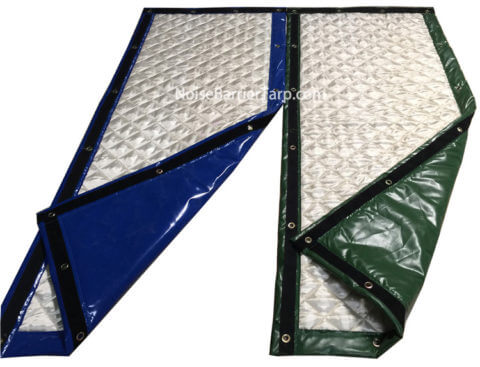
Reduce Road Noise With Barrier Tarps How To Reduce Road Noise
IV. Establishing an Outdoor Environment to Mitigate Noise
How do you block out road noise in the garden? Beyond soundproofing indoors, a noise-reducing outdoor setting is another effective way to lessen the impact of road noise. Here are two proven techniques: building noise barriers and landscaping with noise suppression in mind.
A. Building a noise barrier
- Research Noise Barrier Options: How to block road noise in backyard? When exploring noise reduction solutions to reduce road noise in backyard, do some research into different noise barrier options available such as solid fences, walls or acoustic panels. Select materials with great sound absorption properties designed specifically to decrease noise emissions.
- Installing a Noise Barrier Fence or Wall: Once you have selected and purchased an appropriate noise barrier to reduce road noise in garden, strategically install it to block and reduce road noise in yard. Make sure that it stands tall enough and properly positions to reduce transmission of sound waves effectively.
B. Landscaping to Reduce Noise
- Utilizing Trees and Shrubs as Natural Sound Barriers: How to block road noise in garden? Take advantage of nature by planting dense vegetation around the perimeter of your property as natural sound barriers to provide protection from road noise. By doing so, dense foliage acts to absorb road noise while protecting your house from being overlooked by neighbors or noise from the street.
- Include noise-absorbing materials like hedges or noise tarpaulins: How to block road noise in yard? In addition to trees and shrubs, incorporate noise-absorbing materials like hedges or noise tarpaulins for additional noise reduction capabilities in outdoor spaces. These can be strategically placed for maximum noise abatement.
How do you reduce road noise in your yard? By using backyard road noise reduction techniques and shaping an outdoor space that minimizes noise pollution, you can noticeably lower road noise inside your house and enjoy a calmer, more tranquil home.
V. Additional Tips and Techniques
Beyond the soundproofing methods already covered, there are further ways to reduce road noise at home that can bring levels down even more. Let’s look at these strategies:
Using white noise machines or fans to mask road noise
Try white noise machines or fans to generate a soothing background sound that masks road noise, a steady, gentle hum that drowns out disruptive traffic sounds. Experiment with different frequencies and volumes until you find the setting that suits you best.
Rearranging furniture and using sound-absorbing materials
Rearranging furniture thoughtfully can help minimize road noise. Put bulky pieces such as bookshelves or cabinets against walls that face the road to act as sound barriers, and add curtains, rugs or upholstered furniture that absorb sound to further reduce echoes in the room.
Noise Barrier Fence 1200 x 2400 mm
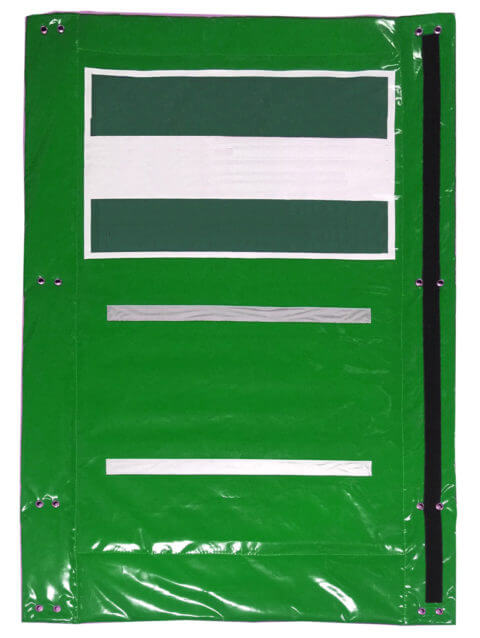
Noise Barrier Fence Panels For Construction Road Noise Cancelling Fence
Noise Barriers for Temporary Fence
Road Noise Barriers for Homes STC 27 | Noise Barrier Curtains for Home Use Noise Barriers for Backyard Noise Barrier Events
VI. Conclusion
How do you reduce road noise at home? In short, cutting road noise in your house is key to a peaceful, serene living environment. By applying the techniques covered here, such as insulating windows and doors, improving wall insulation, soundproofing floors and ceilings, creating noise-reducing outdoor spaces, and using the extra tips above, you can effectively lessen the impact of road noise.
Remember to assess noise levels, identify the areas most affected by road noise, and tailor your soundproofing efforts to suit them. Combining several strategies lets you build a comprehensive plan to reduce noise from road and create a quieter living space.
Putting these strategies in place may call for some upfront cost and effort, but the long-term payoff of a peaceful home makes them well worth it. Apply these techniques and take your space back from intrusive road noise for a more relaxing place to live.


