Table of Contents
I. Introduction
II. Understanding the Problem
III. Assessing Your Backyard
IV. Noise Reduction Techniques
V. Steps to Soundproof Your Backyard
VI. Maintaining a Peaceful Backyard
VII. Conclusion
I. Introduction
In today’s busy world, it can be harder and harder to find calm and quiet in our own backyards. A common problem for homeowners is street noise creeping into outdoor spaces — rumbling cars on highways, blaring horns, or a steady traffic hum. Sadly, this intrusion undermines any attempt to create a peaceful setting.
A calm, quiet outdoor space is not just a luxury — it matters for our wellbeing. Your backyard should be an oasis where you can relax and enjoy time with the people you love, yet street noise often gets in the way of finding that peace at home.
II. Analyzing the Problem
How do you soundproof a backyard? To tackle street noise effectively and cut noise in your yard, it helps to first understand where the sound comes from and how it affects your quality of life.
Street noise has many sources, and traffic is usually the biggest one. Whether you live near a busy intersection, a lively city street or a major highway, passing vehicles create a constant stream of sound pollution that reaches your backyard. Construction sites, public transit and nearby businesses can add to the noise levels too.
Impact of Excessive Noise on Quality of Life
Too much street noise can harm both physical and mental health. Long exposure to high noise levels can raise stress, disrupt sleep and contribute to hearing problems; it also breaks concentration, makes it harder to relax and enjoy outdoor activities, and spoils the atmosphere of backyard spaces.
Cutting street noise in your backyard is not only about a quieter setting — it is about reclaiming your personal oasis and improving your overall quality of life. How do you soundproof a backyard? Once you understand where the noise comes from and how it affects you, you can take proactive steps to limit it and build a calm outdoor space that truly restores you.
III. Assess Your Backyard
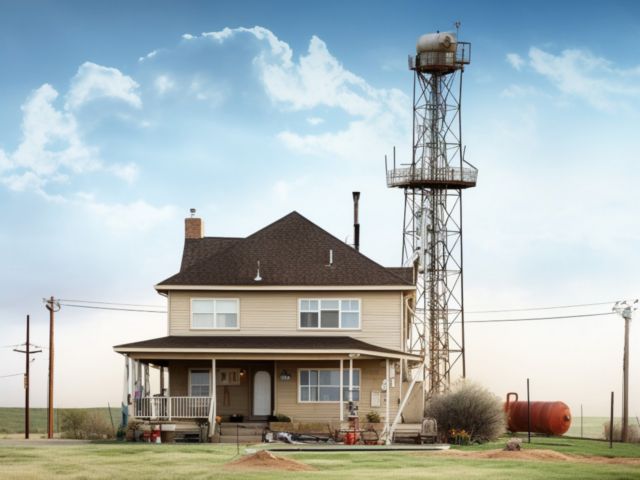
How do you reduce noise in a backyard? To lower street noise effectively, start with an assessment and pinpoint the areas hit hardest by noise. Understanding your backyard’s layout and features lets you build a solid plan for noise mitigation.
Identifying Areas Most Affected by Street Noise
Walk around your backyard and note where street noise is loudest — often spots near busy roads, intersections or highways. Pinpointing these places lets you prioritize your noise-reduction efforts and focus solutions where they are needed most.
Evaluating Existing Structures and Landscaping to Determine Their Noise Reducing Capabilities
Next, look at the structures and landscaping in your backyard and judge how well they reduce noise. Solid structures such as fences, walls or even the exterior walls of your home can act as barriers that block and absorb sound waves, while dense trees or shrubs can serve as natural buffers against street noise.
Check the current condition and effectiveness of any existing structures or plants. Are there gaps or openings in fences or walls that let sound through? Are the trees and shrubs dense enough to work as sound barriers? Spotting the weak points helps you choose the right noise-reduction techniques.
IV. Noise Reducing Techniques
Once you have assessed your backyard and found the areas most affected by street noise, it is time to explore noise-reduction techniques — from natural solutions to backyard noise barrier products.
Natural Solutions
- Planting Trees and Shrubs as Sound Barriers: Dense evergreen trees and shrubs can noticeably cut street noise in your backyard and help soundproof it, working as effective noise barriers. Place them around the edge of your yard where noise is worst — their foliage absorbs and deflects sound waves for a calmer atmosphere.
- Utilizing Water Features to Mask Noise: Water features such as fountains or ponds can mask street noise with the soothing, ambient sound of running water, creating a serene feel in your backyard and drowning out unwanted sounds. Flowing water is an ideal way to do exactly that.
Noise Barrier Products
- An Overview of Backyard Noise Cancelling Products: Noise barrier products such as noise tarps and barriers are an effective way to reduce street noise in your backyard. They are purpose-built to absorb sound waves and lessen their impact on outdoor spaces like your garden or yard.
- Advantages of Noise Barrier Products in the Backyard: Backyard noise barriers do more than reduce noise. They can boost privacy, act as visual screens and even improve energy efficiency by limiting heat loss or gain. They are also durable, weather resistant and low-maintenance — a long-term solution for your yard.
- Analyzing How Noise Barriers Work to Limit Transmission: Noise barriers use absorption, reflection and deflection to limit how much sound reaches your backyard and to create a quieter outdoor space. These materials typically offer high sound transmission loss. Installed correctly, they intercept and absorb sound waves before they reach your yard, giving you a quieter outdoor experience and more serenity in your outdoor living areas.
V. Steps for Soundproofing Your Backyard
How do you soundproof your backyard? Now that you understand the noise problems in your backyard and the reduction methods available, let’s walk through how to block street noise effectively.
1. Evaluating Noise Sources
Begin by identifying every noise source affecting your backyard — nearby roads, highways and other contributors to street noise. Knowing your main sources lets you build an effective plan to reduce their impact.
2. Selecting an Appropriate Noise Barrier Product
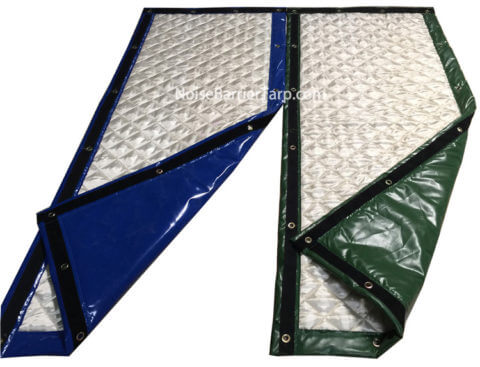
Look at the noise barrier options that fit your needs. Weigh the level of noise reduction you want, the size and layout of your backyard, and your aesthetic preferences. Noise tarps and barriers come in different materials and designs with varying soundproofing performance — pick one that meets your requirements and suits the look of your outdoor living area.
Reduce Road Noise – Installation
Reduce Road Noise With Barrier Tarps How To Reduce Road Noise
3. Installation Process
Once you have chosen the right soundproof backyard barrier, it is time to install it. Follow these step-by-step guidelines for a successful installation:
a. Prepare the Area: Remove anything that could get in the way of installation, including debris and physical obstructions such as wall fixtures.
b. Take measurements and mark installation points: Measure accurately to confirm the dimensions of your soundproofing barrier, then mark the installation points accordingly.
c. Secure the Noise Barrier: Fasten your noise barrier tarp firmly to existing structures such as fences or walls, using dedicated support systems where needed.
d. Seal Gaps and Openings: Check that no gaps or openings let sound waves through, and seal any you find with suitable materials.
e. Test and adjust: After your backyard noise blocker is installed, test how well it works by monitoring the drop in noise levels, then make any adjustments needed to get the most from it.
4. Additional Soundproofing Techniques
How do you drown out traffic noise in a backyard? Consider adding extra soundproofing techniques to strengthen your overall noise-reduction efforts:
- Fit double-glazed windows and doors in your home to reduce outside noise getting in.
- Hang thick curtains or soundproof blinds to further block sound from reaching your living spaces.
- Layer your landscaping by pairing noise-barrier products with dense vegetation to maximize sound absorption and soundproofing.
Temporary Noise Barrier Walls
Temporary Barrier Solution Temporary Wall Barriers | Temporary Sound Screens for Construction Site Temporary Noise Barrier Wall
VI. Maintaining a Peaceful Backyard
How do you reduce street noise in a backyard? Keeping your noise barrier products well maintained is vital for a calm outdoor atmosphere. Here are a few tips to help keep your backyard peaceful:
- Inspect your acoustic barrier products regularly for wear or damage, and repair or replace them as needed to keep performance at its best.
- Clean the surfaces of your noise barriers regularly to keep them working at full effectiveness; clear away dirt, debris and anything else that could reduce their performance.
- Keep up the vegetation around your noise barriers so it continues to buffer traffic noise and work effectively as a sound barrier.
Follow these maintenance practices to block traffic noise, and your backyard will stay an oasis away from street noise.
Temporary Fence Noise Barrier
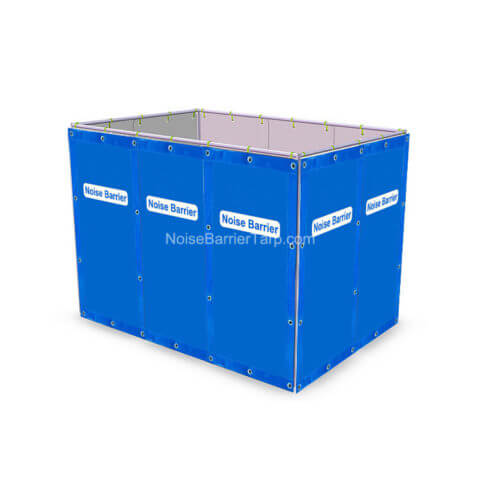
for Construction Noise Temporary Barrier Fence Tarps | Temporary Fencing Tarps Manufacturer Temporary Barriers Attached to Metal Fences
VII. Conclusion
How do you reduce freeway noise in a backyard? In short, curbing street noise is key to an inviting, restful outdoor space where you can unwind. By understanding where the noise comes from and how it affects your quality of life, you can take proactive steps that significantly reduce street noise and limit its effects.
By assessing your backyard and identifying noise sources along with existing structures and landscaping, you can find the areas most affected by street noise. With that knowledge, it becomes easier to choose an effective noise barrier product that fits your needs and preferences.
How do you block highway noise from your yard? Whether you use natural solutions such as planting trees and adding water features, or install highway noise barriers like noise tarps and barriers, each technique plays an essential part in reducing noise transmission and creating a peaceful atmosphere.
By following these steps — identifying noise sources, choosing suitable noise barrier products and installing them correctly — you can significantly lower street noise levels for a quieter outdoor experience.
Consider adding extra soundproofing techniques such as double-glazed windows, thick curtains and layered landscaping to strengthen your overall noise-reduction efforts.
Keep your backyard peaceful with regular inspections, surface cleaning and trimming of the vegetation around your noise barrier products. This keeps them performing at their best and noise reduction going strong.
By taking steps to lower street noise and create a tranquil backyard, you are investing in both your wellbeing and your enjoyment of outdoor living. Take the chance to reclaim your personal sanctuary and enjoy its calm.


